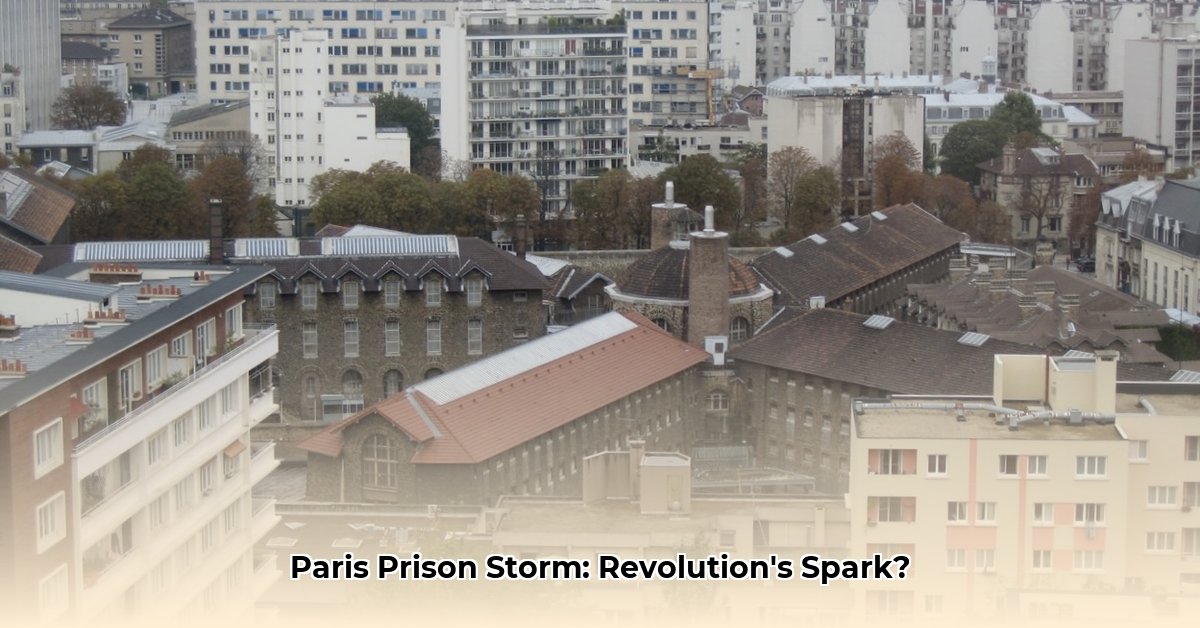
Parijse Gevangenis: A Symbol of Oppression
- France was a powder keg, ready to explode. Years of hardship, unfair taxes, and a seemingly indifferent King Louis XVI had pushed the people to the brink. At the heart of this simmering discontent stood the Bastille, the Parijse Gevangenis (Bastille Prison) – far more than just a prison, it was a potent symbol of royal authority and oppression. Its imposing walls represented everything wrong with the ancien régime (the old order), a constant reminder of the powerlessness of the common people. It was a visual testament to the monarchy’s iron grip. This wasn't just any prison; it was the prison, embodying royal tyranny.
Wasn’t the Bastille more than just a place of confinement for criminals? It also held political prisoners—individuals who dared to speak out against the king. Whispers of torture, injustice, and despair swirled around the fortress, transforming it from stone and iron into a haunting symbol of the monarchy's cruelty and the people's suffering. The Bastille was a wound on the city, a constant source of anger and resentment.
The Fuse Ignites: The Road to Revolution
France's economic woes were dire. Lavish royal spending contrasted sharply with widespread poverty and starvation. Bread riots became commonplace, desperate cries from a starving population. The gap between the rich and the poor was a chasm. People were tired of empty promises. They craved a fairer society, a change that seemed utterly out of reach. How could a nation survive such blatant inequality? This widespread hardship fuelled a growing sense of injustice and a desire for change.
Then came July 14, 1789. The simmering tension boiled over. A massive crowd—a mix of ordinary citizens, skilled workers, and revolutionaries—marched on the Bastille. This wasn't a planned military assault; it was a spontaneous eruption of pent-up rage. They sought weapons, desperate to defend themselves and fight back against a system that had failed them.
The Storming: A Defining Moment
The governor, de Launay, initially attempted to repel the crowd, perhaps believing he could intimidate them into retreat. He underestimated the sheer force of their collective will. The crowd, fueled by years of frustration and anger, was unstoppable. They overwhelmed the guards, breaching the walls, and seizing the fortress. The storming itself was chaotic and violent, resulting in bloodshed on both sides. But to the people, it was a victory.
It is crucial to remember that the Bastille held only seven prisoners at the time. The liberation of these individuals was far less significant than the symbolic act of seizing the fortress itself. The storming was a powerful statement – a declaration that the people would no longer tolerate oppression.
Aftermath & Legacy: A Nation Transformed
The fall of the Bastille sent shockwaves throughout France. News of the event spread rapidly, igniting revolutionary fervor across the nation. Inspired by the Parisians' bravery, other towns and cities rose up in rebellion. The monarchy's authority was shattered, weakened by the people's collective defiance. The immediate aftermath was a mix of elation and violence; celebration and chaos intertwined. The Bastille, once a symbol of oppression, had become a symbol of rebellion.
The long-term impact of the storming of the Bastille is profound. It marked a pivotal point in history, marking the beginning of the French Revolution. It fundamentally altered the relationship between the state and its citizens, inspiring revolutionary movements worldwide. The event remains a potent symbol of popular sovereignty, inspiring future generations to fight for freedom and equality. The storming of the Bastille wasn't merely an event; it was a turning point that changed the course of history. The symbolic significance of this event continues to resonate today. What better testament to its lasting impact could there be?